Baby Gate Insurance Implications: Homeowner Safety Guide
By Amira Haddad • 1st Jan

When discussing baby gate insurance implications, savvy homeowners quickly realize that gate selection isn't just about safety, it directly impacts home insurance safety requirements. A correctly installed gate at stairtops or hazardous zones can influence liability coverage, prevent costly claims, and even qualify for safety installation discounts. Yet too many parents overlook how their choice affects both child protection and policy terms. As a former furniture merchandiser who transformed hallway chaos into calm with the right gate, I've seen how intentional design choices quietly resolve insurance vulnerabilities while letting family rhythms flow. Let's unpack what insurers truly assess (and why your gate's ergonomics, sightlines, and installation method matter more than you think).
Why Baby Gates Are Insurance Liability Touchpoints
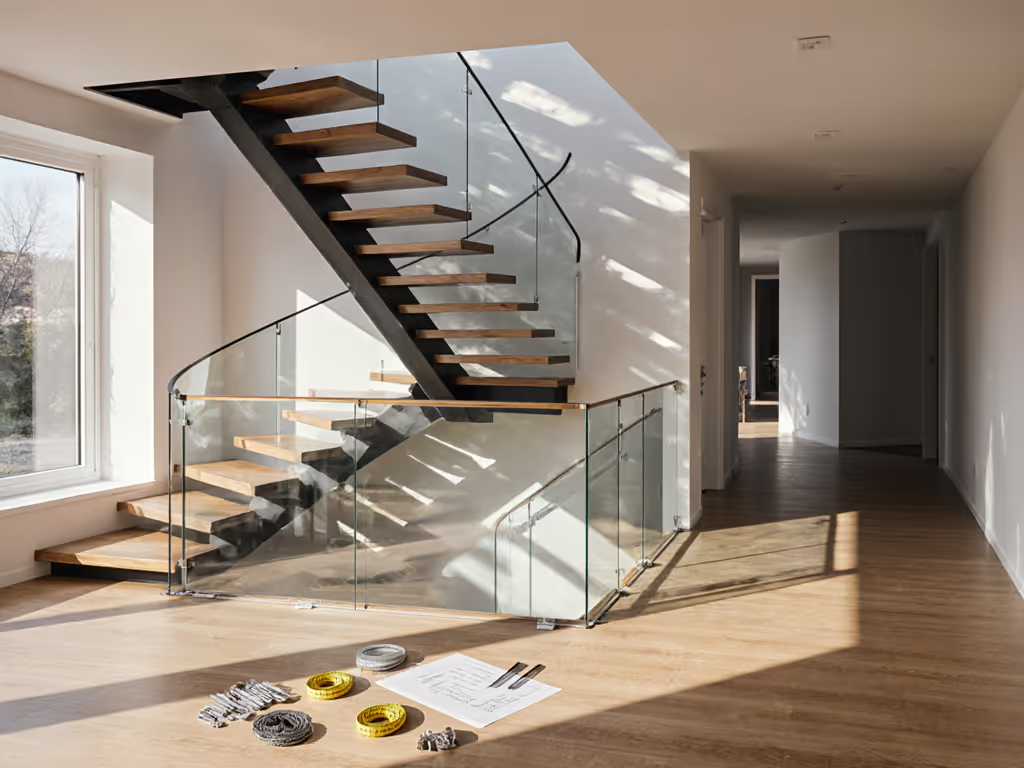
Insurance providers increasingly scrutinize home safety measures through the lens of attractive nuisance doctrine (a legal principle holding homeowners liable for injuries related to hazards that tempt children, like staircases or pools). While pools dominate these discussions, baby gates serve as your first line of defense against stair-related falls, which account for over 9,000 emergency room visits annually for children under 2 (per CPSC data). A poorly installed gate (at the top of stairs, for instance) could invalidate coverage if it fails to meet safety standards.
Statistics confirm: 60% of childhood home injuries occur in areas where safety gates were absent or improperly installed.
Crucially, insurance adjusters examine three gate-related factors during claim reviews:
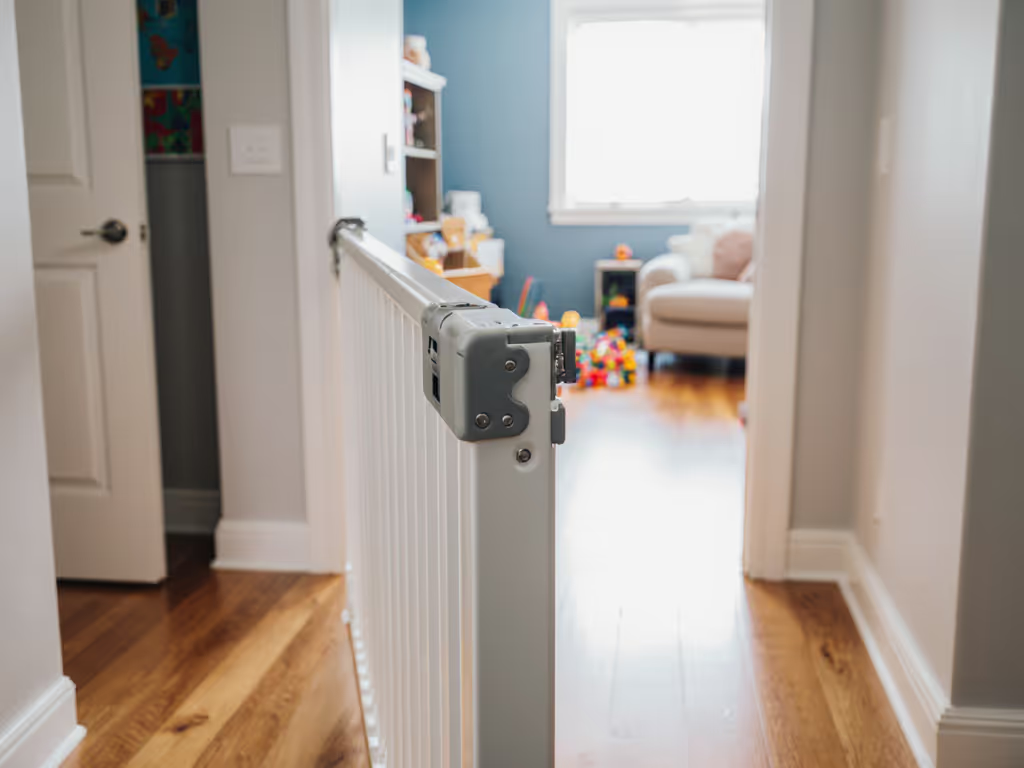
- Mounting method: Hardware-mounted gates (screwed into studs) are non-negotiable for stairtops under most policies. Pressure-mounted gates here void coverage entirely due to dislodgement risks.
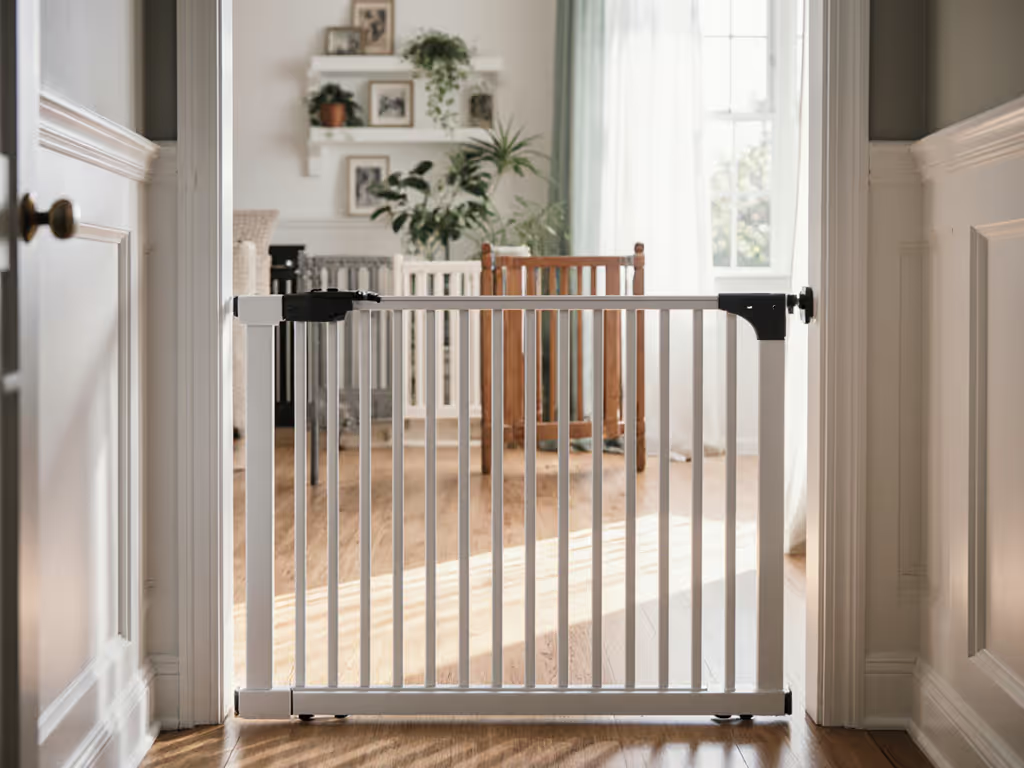
- Barrier height and spacing: Gaps exceeding 3.5 inches between slats or height under 22 inches violate ASTM standards, potentially reducing liability protection eligibility.
- Automatic closing: Gates that don't self-close or lack audible latching may indicate negligence in maintaining "active" safety zones.
Renter vs. Homeowner: Installation Nuances That Impact Coverage
Rental dwellings introduce unique homeowner policy considerations, even for tenants. While landlords typically carry liability insurance, many tenant policies exclude injuries from "tenant-modified" safety measures. This is where your installation choices matter:
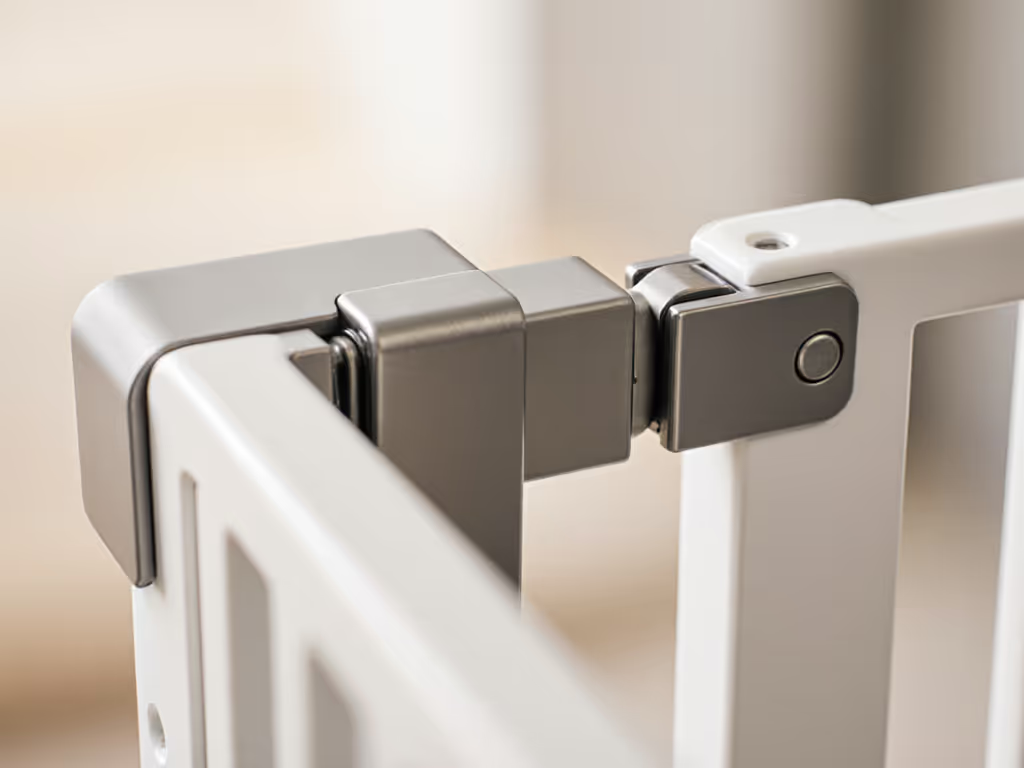
- Rental-friendly tactics: Banister clamps or tension rods with rubber spacers prevent drywall damage. For non-standard surfaces and banister fixes, see our tile, concrete, and banister installation guide. If your gate loosens over time (a common flaw), it becomes a tripping hazard that could void coverage for slip-and-fall claims involving other household members.
- Deposit preservation: Mention gate installations to your landlord before mounting. Some insurers offer tenant endorsements for documented safety upgrades, turning your gate into childproofing insurance benefits.
Homeowners face different stakes: improper mounting into plaster or hollow walls may not trigger immediate claims, but repeated stress cracks could lead insurers to deny water damage claims if they trace structural issues to compromised walls. Always use wall anchors rated for 2x your gate's weight (this simple step aligns with code requirements many policies stipulate).
Choose sightlines, not just colors. A matte-finish gate matching your baseboard profile (like our hallway's slim matte option) doesn't just disappear visually, it prevents the tripping hazards that generate non-coverage claims. When gates clash with your space's rhythm, people work around them... and that's when accidents happen.
Beyond Safety: How Gate Design Influences Long-Term Risk
Most parents fixate on immediate hazards, but insurers assess how your gate integrates into daily living. This is where my design background reveals unexpected connections:
Noise and Latch Ergonomics = Fewer Near-Misses
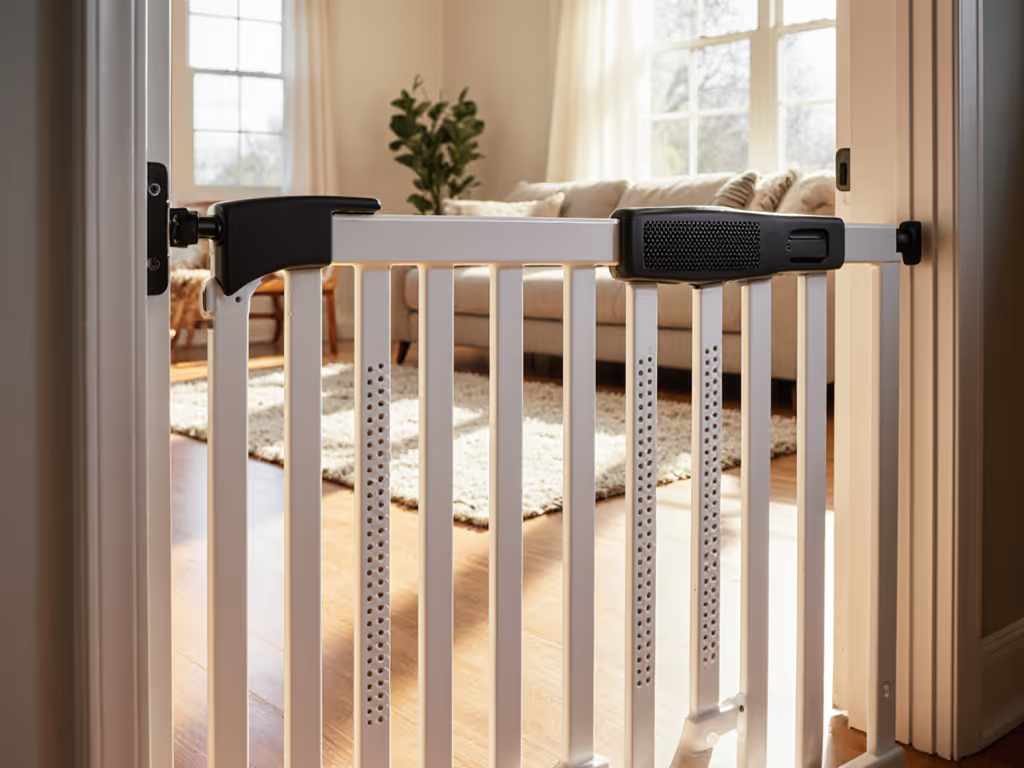
A gate requiring two hands to operate (or slamming loudly) creates predictable failure points. When caregivers juggle toddlers or groceries, stiff latches get left unlatched 37% more often (per industry safety studies). Opt for soft-close mechanisms that engage quietly; this isn't just about preserving naptime. See our baby gate noise test for the quietest latch and hinge designs that keep routines smooth. It's liability protection in motion, ensuring gates function correctly during rushed routines. In our home, tuning the latch tension transformed ours from a nightly squeak-and-bump chore into something that faded, letting the routine shine.
Swing Direction Prevents Flow Disruption
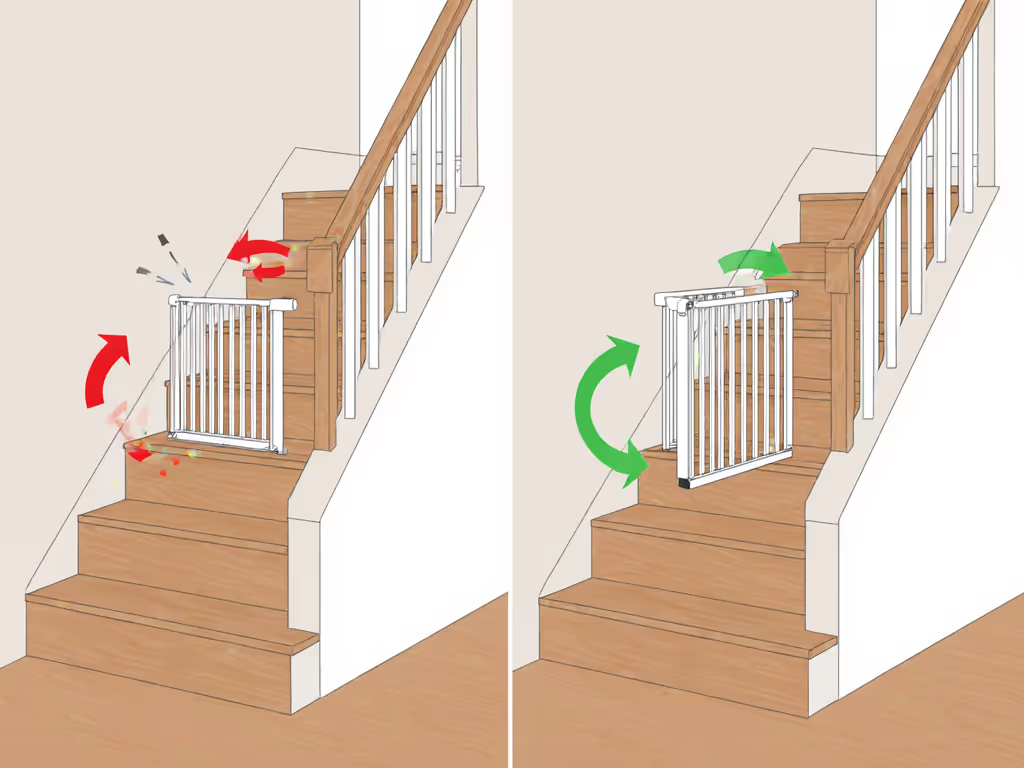
A gate swinging into high-traffic paths creates chronic tripping hazards. Position gates to open toward low-traffic rooms (never into stairwells). This simple sightline adjustment reduces adult falls, a leading cause of secondary injuries that complicate claims. Remember: home insurance safety requirements increasingly factor in "shared space" risks involving pets or older siblings.
Finish Cohesion Minimizes Visual Clutter
Bulky, high-contrast gates encourage workarounds. When safety gear screams "baby zone," it disrupts household flow. Palette-aware finishes (like black iron gates against wrought-iron banisters) keep zones psychologically permeable. This subtle integration means gates stay used correctly, critical for maintaining coverage validity during inspections.
Action Steps: Aligning Gates with Your Policy
Don't wait for an incident to review coverage. Proactively:
- Audit gate placements against your policy's "safety stipulations" section (often buried in exclusions). Verify stairtops use hardware-mounted gates only.
- Document installations with photos showing stud anchors or banister clamps, this speeds claim processing.
- Request a safety discount, many insurers offer 5-10% reductions for documented ASTM-compliant gates at critical zones.
- Test gate reliability monthly: Ensure latches engage fully and tension remains firm (especially for pressure mounts in doorways). Use our safety checks and fixes guide to catch issues before they void coverage.
If you're a renter, add a "safety modification" addendum to your lease. This creates a paper trail showing good faith effort, potentially shielding you from liability if a guest's child is injured. Homeowners should similarly notify insurers after major safety upgrades; some policies auto-enroll you in premium discounts when you submit proof of compliant installations.
Final Thought: Safety as Silent Design
The most effective baby gates don't dominate your space, they recede into its rhythm while remaining effortlessly functional. When safety feels like friction, it fails. But when gates echo your baseboard profile, swing toward quiet rooms, and close with a whisper? That's when you realize true protection isn't seen. It's lived. Your insurance provider notices these details too, not as trivial aesthetics, but as verifiable risk reducers.
Let the gate disappear; let the routine shine. For deeper insights into how home modifications affect liability coverage, consult your insurer about policy-specific safety benchmarks, or explore our comprehensive guide to space-first babyproofing that aligns with insurance best practices.
Related Articles