Seizure-Safe Stair Gates: Impact-Absorbing Home Barriers
By Nia Okoye • 17th Dec
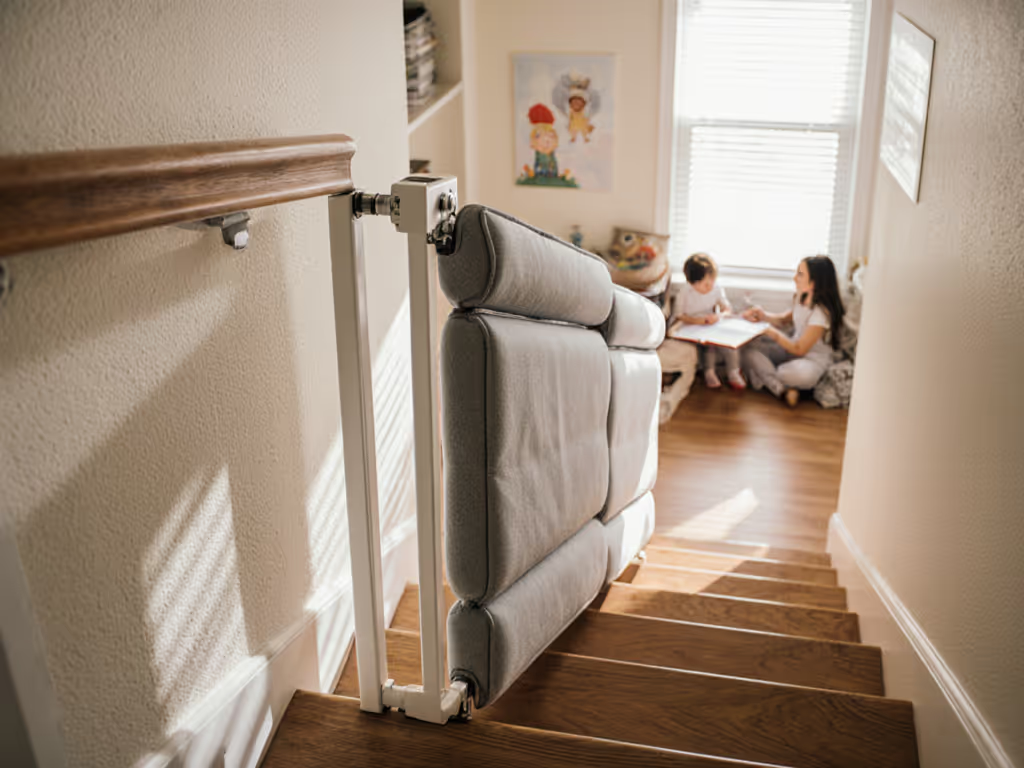
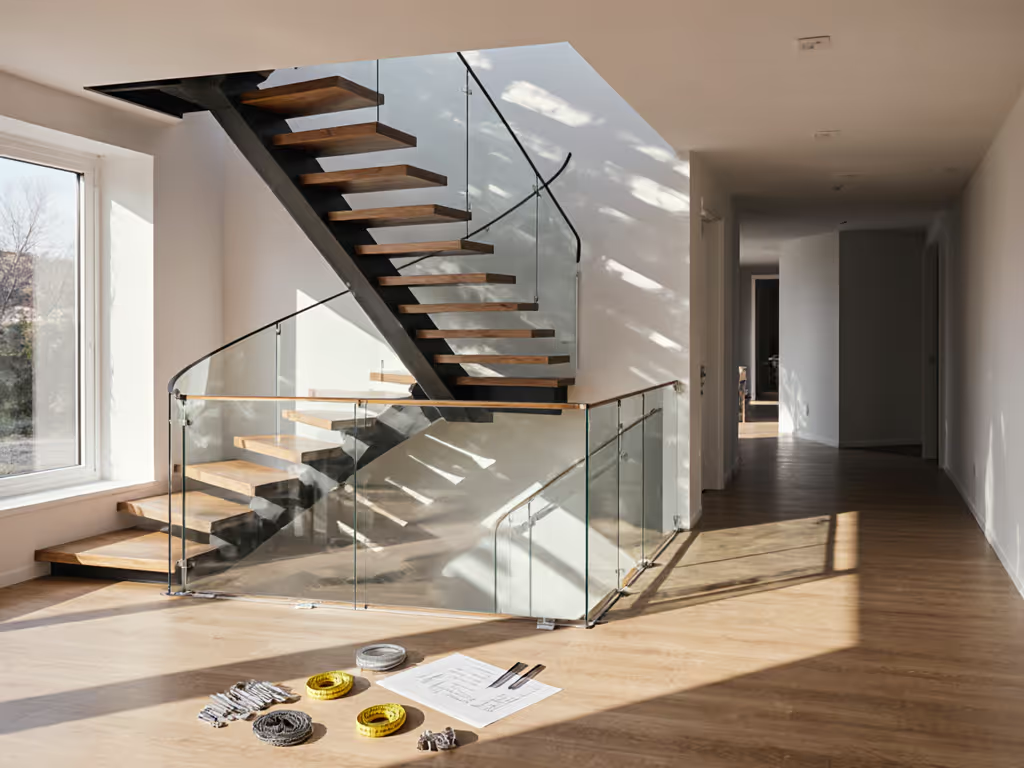
When your child lives with epilepsy, ordinary household transitions become high-stakes moments. A misstep on stairs during a seizure can turn routine movement into an emergency. That's why choosing the right epilepsy home safety barriers (especially for stairways) isn't just about blocking access; it's about designing childproof gates that absorb impact while fitting seamlessly into your family's rhythm. Drawing from years of coaching caregivers through real-world safety challenges, I've seen how low-friction setups prevent far more injuries than complex gear ever could. Let's address your most urgent questions with solutions that prioritize both safety and sanity.
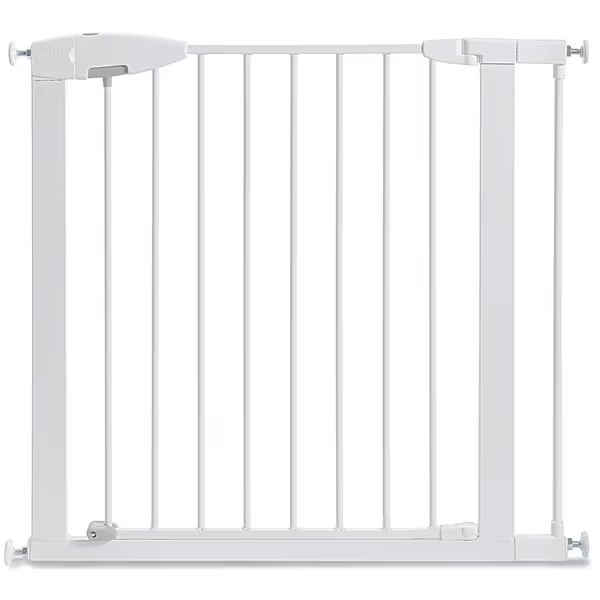
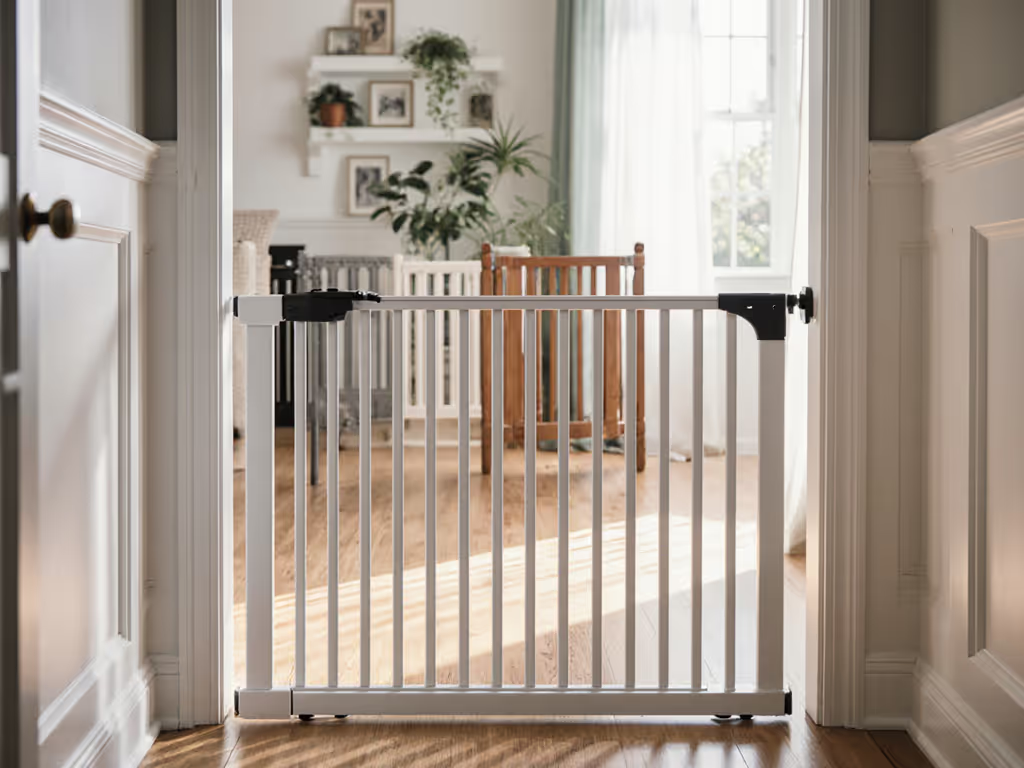
Munchkin Easy Close Pressure Mounted Baby Gate
Effortless, secure containment for babies and pets across diverse openings.
$67.7
Width Range29.5" - 35" (up to 54" with additional extensions)
Width Range29.5" - 35" (up to 54" with additional extensions)
Pros
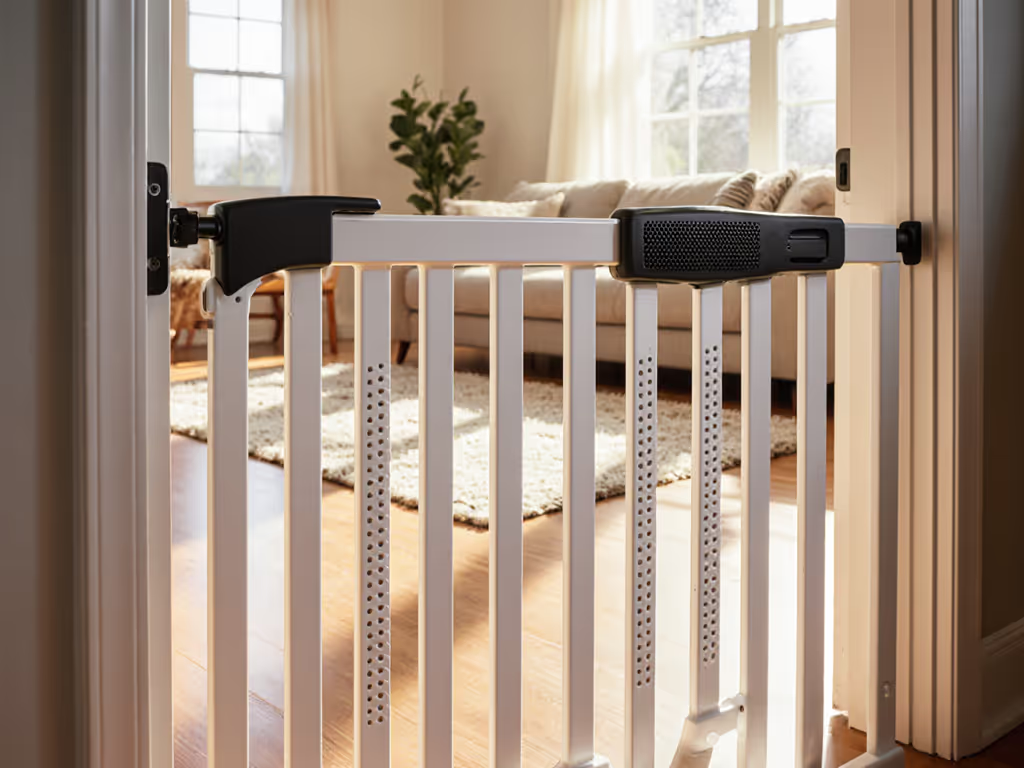
Easy push-to-close with dual-swing door.
Sturdy construction for reliable baby & pet containment.
Simple, quick installation (under 30 mins reported).
Cons
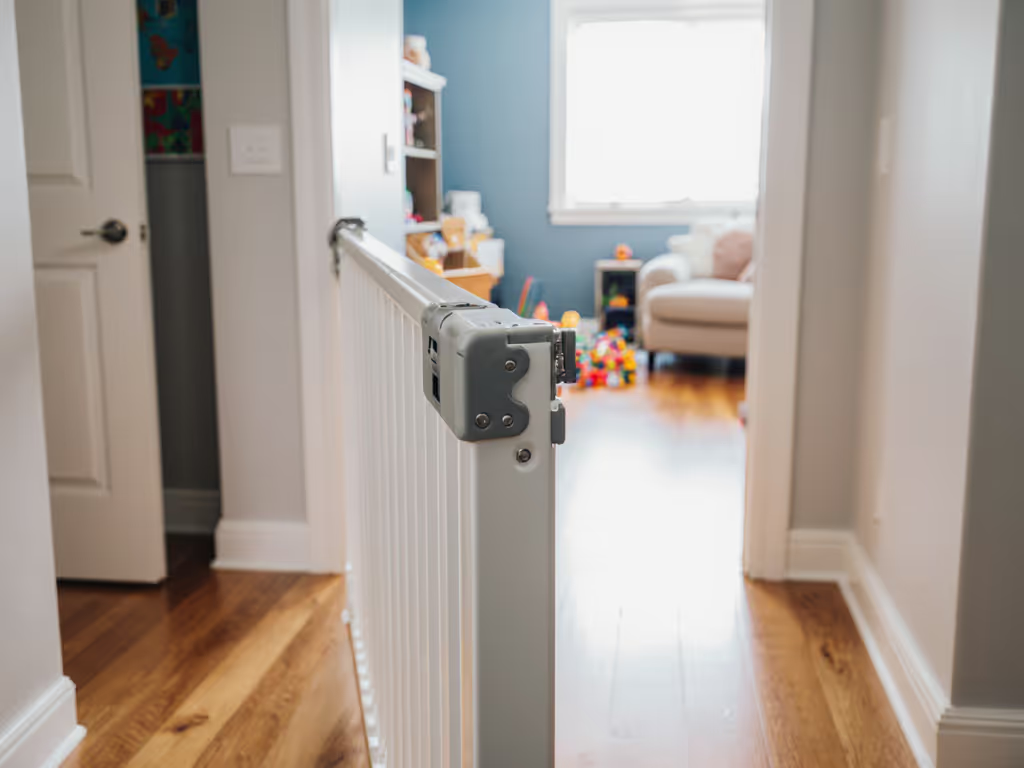
Latch can occasionally stick after opening.
Pressure-mount security debated; hardware recommended for stairs.
It’s very sturdy and it holds up my 65-pound dog from jumping on it. It works for the top of the stairs.
It’s very sturdy and it holds up my 65-pound dog from jumping on it. It works for the top of the stairs.
Why standard baby gates aren't enough for seizure safety
Make the safe action the easy one. This isn't just a slogan, it's the foundation of reliable seizure protection.
Many parents start with basic pressure-mounted gates, only to discover they lack critical features for seizure scenarios:
- Inadequate impact absorption: Thin metal bars or flimsy mesh can't cushion sudden falls during atonic or tonic-clonic seizures
- False security at top-of-stairs: Pressure mounts may detach when a child's full weight hits them during a seizure drop
- Delayed response risks: Latches that require two hands or complex motions waste precious seconds during emergencies
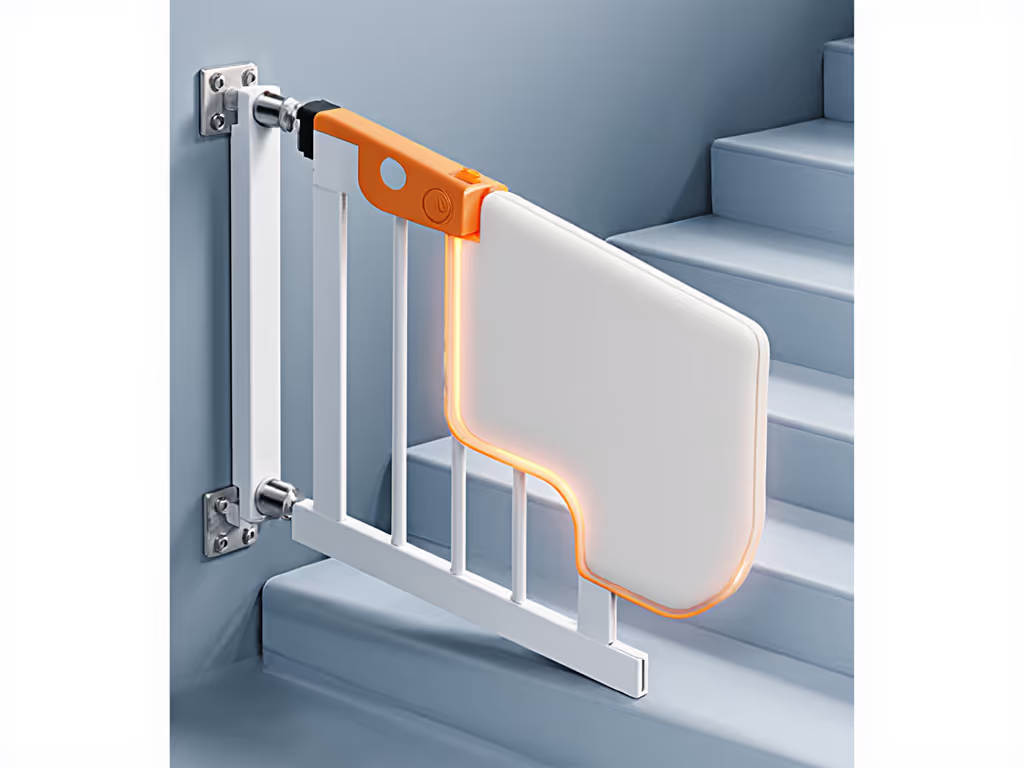
True epilepsy home safety barriers incorporate materials and mounting systems designed for high-impact events. For example, gates with padded foam caps along the top rail and tension-adjustable hardware mounts absorb shock while staying securely anchored, critical when seizures cause sudden collapses near stair edges. To choose the right mounting strategy, see our pressure vs hardware-mounted stair gate guide.
Your top FAQ answers: Practical solutions for real homes
Q: Hardware vs. pressure mounts, which actually works for seizure safety at stairs?
Short answer: Hardware mounts are non-negotiable for top-of-stairs barriers in seizure-prone households. Here's why:
- Drywall risks: Pressure gates rely on friction against walls. During a seizure-induced fall, this force can pop wall cups loose, especially in plaster or older drywall common in rentals
- Code compliance: ASTM F1004 standards explicitly prohibit pressure mounts at stair tops for children under 24 months (where seizure risks are highest)
- Your renter-friendly fix: Use banister clamps with rubber spacers (no drilling) and wall cups with adhesive patches rated for 200+ lbs. I've helped families in historic apartments install these safely by anchoring into stud locations marked with removable painter's tape
Pro tip: When mounting hardware gates, extend the barrier 6 inches beyond the stair width. This prevents children from crawling around the gate during post-ictal confusion, a detail often missed in DIY installs. For evidence on why pressure mounts fail at stair tops, read our stair safety myth-busting guide.
Q: How do I make gates truly "impact-absorbing" without industrial eyesores?
Seizure emergency protocols require barriers that protect during falls while blending into your home. Focus on these three features:
- Material intelligence: Look for gates with crossbars wrapped in medical-grade silicone sleeves. Unlike hard plastic, this compresses on impact to reduce head injury risk, just like the helmets prescribed for frequent fallers
- Swing direction: Gates should open away from stairs (toward landing) with auto-close mechanisms. This aligns with epilepsy room safety planning where every movement must account for sudden loss of control
- Threshold design: Zero-trip bases are essential. Raised sills might stop toddlers but trip adults carrying laundry, a dangerous distraction during seizure responses
The Munchkin Easy Close gate illustrates this balance: its padded top rail and dual-locking swing meet impact standards while operating quietly enough not to wake sleeping children during latch practice.
Q: How do I prevent grandparents or babysitters from "gate fatigue"?
This is where non-injurious barrier design meets habit science. Multiple caregivers create inconsistent safety routines, until we make correct use automatic:
- Anchor latches to daily rhythms: Practice closing the gate with your dominant hand during snack prep (as my grandma eventually mastered)
- Add visual cues: A bright sticker on the handle showing "Push -> Lock" works better than written instructions for tired eyes
- Eliminate workarounds: Place baskets just beyond gates to prevent propping, addressing the #1 reason gates fail during emergencies
Remember: Confusing latches become de facto disengagement triggers. Set shared rules with our multi-caregiver gate safety protocol. Choose gates with one-motion closes that work even when arms are full of a crying child.
Q: Can I safely include pets without compromising seizure protection?
Absolutely, but pet inclusion requires intentional epilepsy room safety planning. Here's how we solve common conflicts:
| Pet Issue | Seizure-Safe Solution |
|---|---|
| Dogs pushing gates | Install gates with vertical bars (not climbable grids) AND anchor base plates to floor with anti-slip pads |
| Cats needing access | Use height-adjustable gates, set low for child safety but high enough for cats to jump over (measured from your pet's shoulder height) |
| Litter box isolation | Place litter zones in rooms with hardware-mounted gates; use magnetic pet doors cut into the gate base |
This layered approach keeps danger zones restricted while maintaining household flow, no more tripping over improvised blockades. For whole-home planning with animals and kids, see our multi-pet safety gate guide.
Your actionable next step: The 5-minute gate audit
Don't wait for a close call. Today:
- Measure your stair width at three points (top tread, landing edge, banister curve)
- Test your current gate by applying body weight slowly toward the stairs
- Check latch ergonomics - can you close it one-handed while holding a pillow?
- Identify impact zones - where would your child fall during a seizure?
Safety isn't about perfection, it's about practical systems that work when you're exhausted, distracted, or managing multiple crises. By choosing impact-absorbing gate materials that align with your family's actual movements, you create automatic protection. That's how we transform anxiety into action: Make the safe action the easy one. Every day. Without exception.
Related Articles