Dual-Gate Systems for Twins: High-Traffic Safety Tested
By Casey Lin • 9th Jan
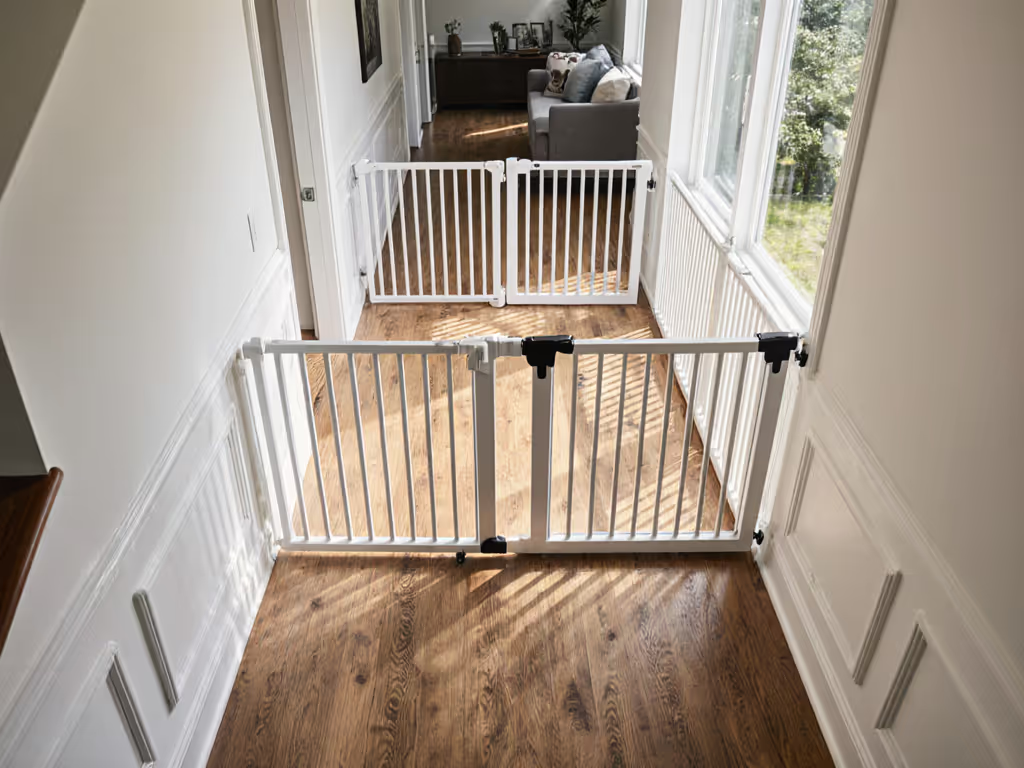
When you're raising twins, baby gates for twins aren't just helpful, they're non-negotiable for survival. But piecing together multiple toddler safety barriers in high-traffic zones? That is where most parents hit panic mode. Will pressure mounts hold against two toddlers charging like tiny bulls? Will drilling at the top of stairs cost your security deposit? I've tested solutions in my own prewar rental where fragile plaster walls and ornate banisters demanded reversible genius. Spoiler: Safe today, calm routines, deposit intact tomorrow (no drywall regrets). Let's fix your chaos with lease-conscious precision.
Why Twins Turn Gate Shopping Into a Physics Nightmare
Standard baby gate advice crumbles when you've got two toddlers testing boundaries simultaneously. While single-child households worry about one curious climber, twins create unique failure points:
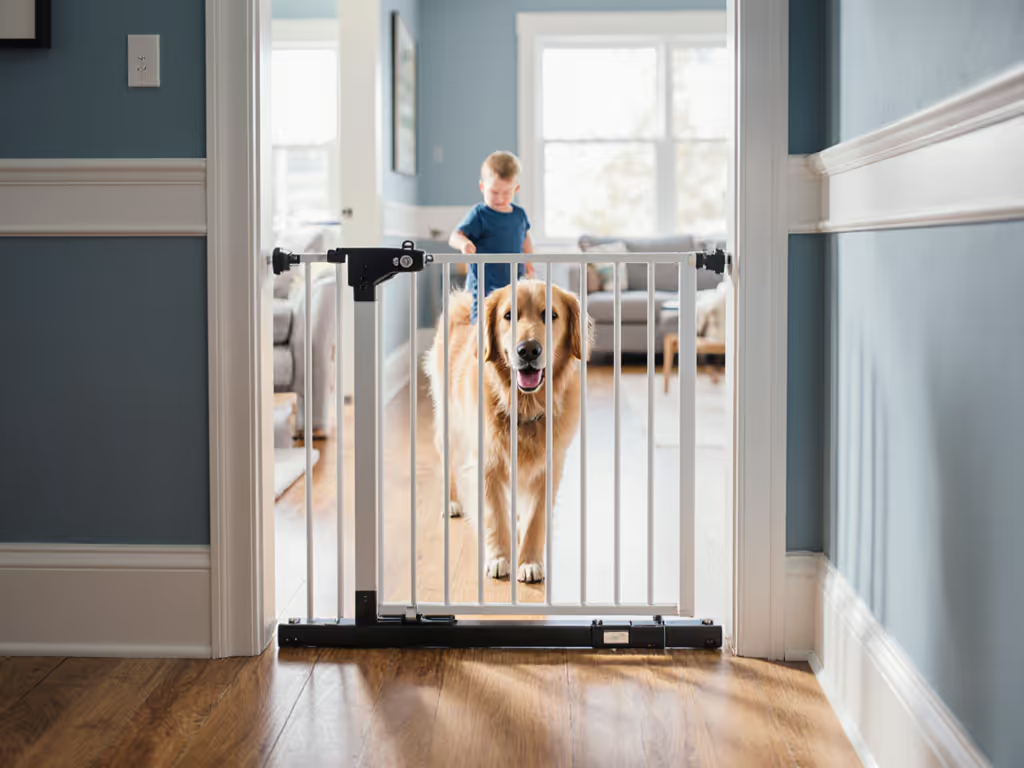
- The Double-Torque Effect: One toddler leaning on a gate while the other jumps behind it can destabilize even "heavy-duty" pressure mounts. Safety 1st's Pressure-Check Gate (with those visual red-to-green SecureTech indicators) handles single-kid pressure but still fails if twins apply force from opposite sides.
- Opposite-Direction Chaos: One twin darts toward stairs while the other bolts toward the kitchen, forcing you to secure two escape routes at once. Retractable gates? Forget it. They're too slow and do not physically block both paths. If you're weighing space-saving options, read our retractable gate tests for real-world pros and cons.
- Deposit-Destroying Desperation: Landlords don't care that "it was an emergency" when you drilled into a $500 banister. And tape residue on ivory-painted moldings? Instant deduction.
Simultaneous childproofing isn't just about adding more gates, it is about engineering resilient systems where failure in one zone doesn't compromise the whole house.
Your Rental's Silent Enemies: Architecture That Sabotages Standard Gates
Before you buy a single gate, map your weak points. In my NYC walk-up, these quirks forced custom solutions: If your space is irregular, see our gate extensions and adapters guide for safe fixes in non-standard gaps and angles.
| Architectural Trap | Why Standard Gates Fail | Lease-Conscious Fix |
|---|---|---|
| Wrought-iron banisters | Metal posts slip under pressure cups; adhesives peel off varnish | Banister clamp adapters (e.g., Cardinal Gates' Curved-Stair Kit) with rubberized grips |
| Plaster walls with lath | Anchors pull out leaving football-sized holes; tape ruins paint | Painter's-tape templates to test exact pressure points + silicone wall pads |
| Baseboard gaps >3" | Creates tripping hazard; toddlers scoot under "tall" gates | Adjustable threshold extenders (Safety 1st's Easy Install Tall & Wide Walk Thru) + carpet tape anchors |
| Off-angle openings | Prefab gates wobble; doors swing into traffic flow | Custom-width Super-yards (Northstates Toddleroo) with corner brackets |
The Critical Stair Rule: Where Drilling Isn't Optional
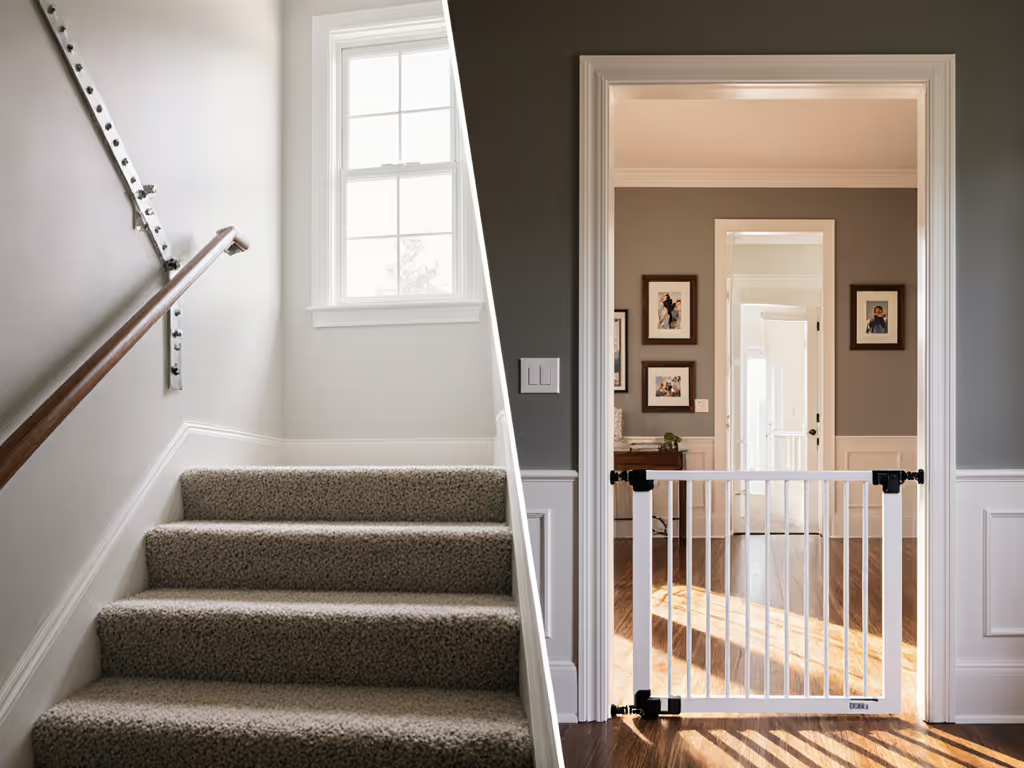
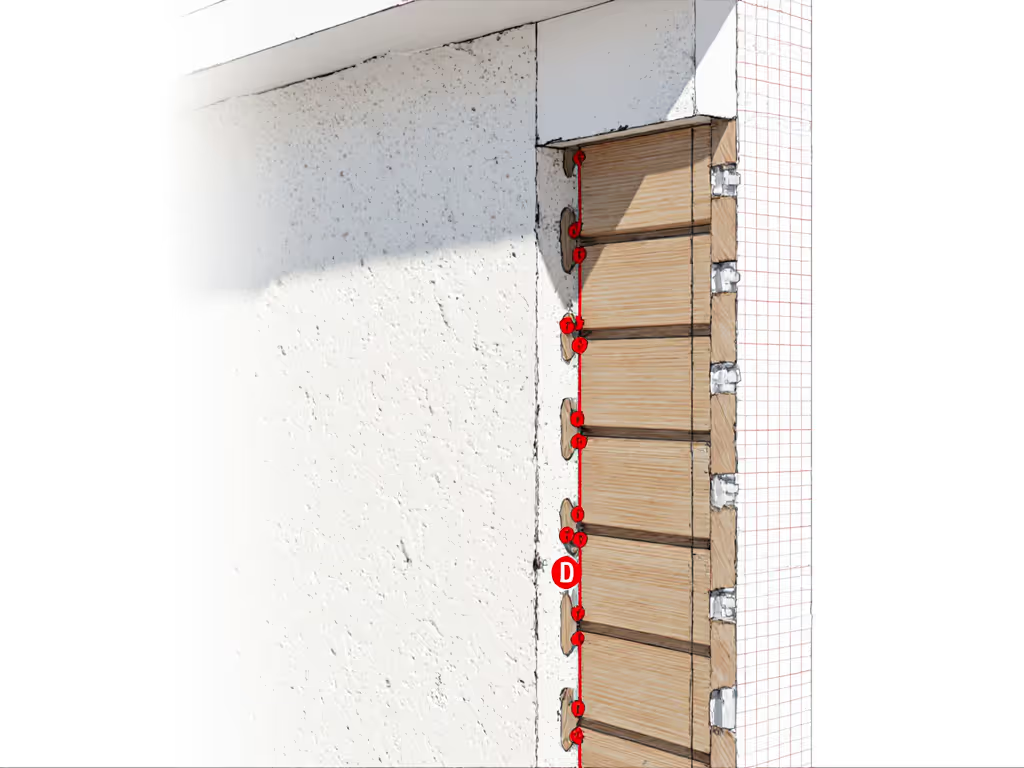
I'll say it loud for the cheap renters in back: Never pressure-mount at the top of stairs. The JPMA standards (and my pediatrician's blunt warning) are clear (falls here are catastrophic). But drilling doesn't mean deposit suicide. Use this carve-out strategy:
- Pre-drill with 1/8" bits, smaller holes = easier patching
- Anchor into the banister's structural rail (not the decorative spindle) using hollow-wall anchors rated for 50+ lbs
- Hide hardware behind banister brackets or within existing molding grooves
For rentals, always get landlord approval in writing, but frame it as "safety compliance," not "modification." Script: "City code requires permanent top-of-stair barriers for children under 2. I'll supply and install JPMA-certified hardware and return the rail to original condition upon move-out." (Pro tip: Email this before they say no.)
Building Your 3-Zone Twin Defense System
Forget single-gate fixes. Twins need a zoned containment strategy where each barrier solves one job flawlessly. Here's my tested blueprint:
Zone 1: Top of Stairs (Zero Compromise)
Hardware-mounted only. Period. I tested the Safety 1st Ready to Install Gate here (it arrived pre-assembled with swing-direction adjustability, critical for narrow landings). But renters: Insist on anchors into wood, not drywall. If your banister is metal, use a clamp mount like the Perma Child Safety Gate's bracket system. It grips rails without screws. Removal? Unscrew clamps, patch two pinpricks with spackle. Done in 10 minutes.
Zone 2: High-Traffic Pathways (Renter-Proof Pressure Power)
This is where twin gate solutions shine. You need gates that withstand constant use and vanish cleanly. My winning combo:
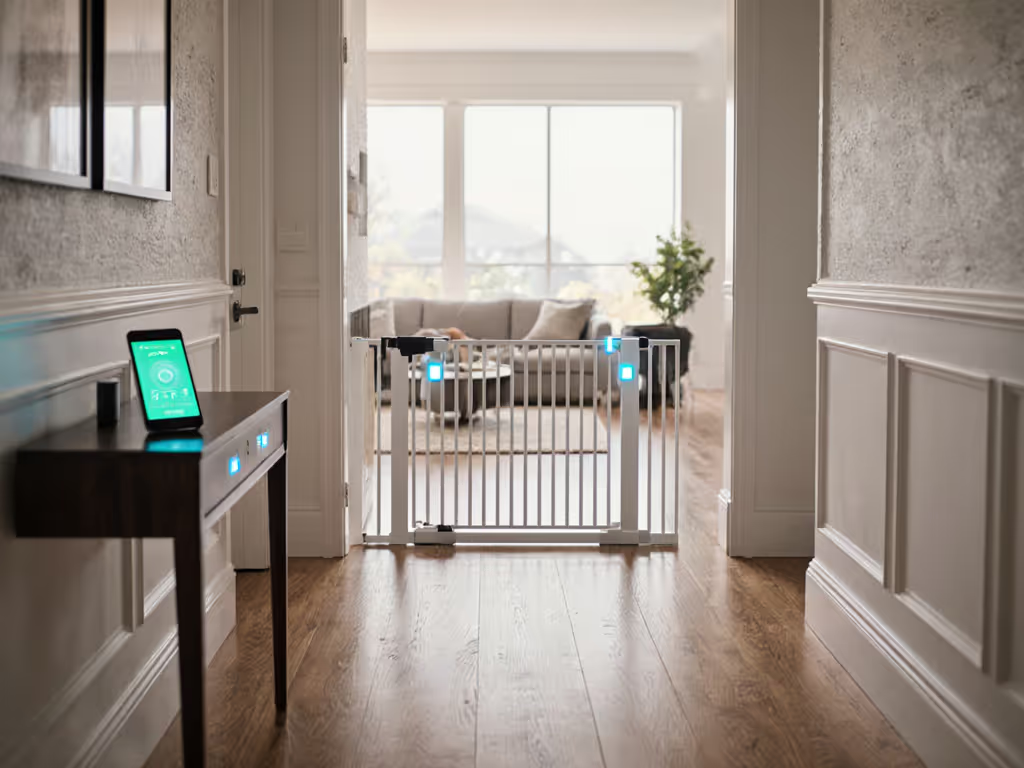
- Pressure-Check Gate with SecureTech® for hallways: Those red/green indicators prevent "is it latched?" anxiety during toy pickup marathons. Rental hack: Add reverse-thread tension knobs (sold separately) so over-tightening won't crack plaster.
- Northstates Toddleroo Superyard for living/dining zones: Creates instant "kid bubbles" without drilling. Extend it into a U-shape to block both twin escape routes simultaneously. The plastic panels resist climbing (unlike fabric retractables), and rubber feet won't scratch hardwood. Working with wide hallways? Compare extra-wide baby gates for stability and extension options.
Zone 3: Room Dividers & Pet Zones (Flexibility Wins)
Multiple toddler containment gets messy when pets are involved. Cats need pass-throughs; dogs bulldoze flimsy barriers. Try:
- Safety 1st Easy Install Auto-Close Gate in utility rooms: Magnetic auto-close works when you're carrying laundry and a crying twin. For cat access, mount a perimeter pet door above the gate (not through it, toddlers climb through those!).
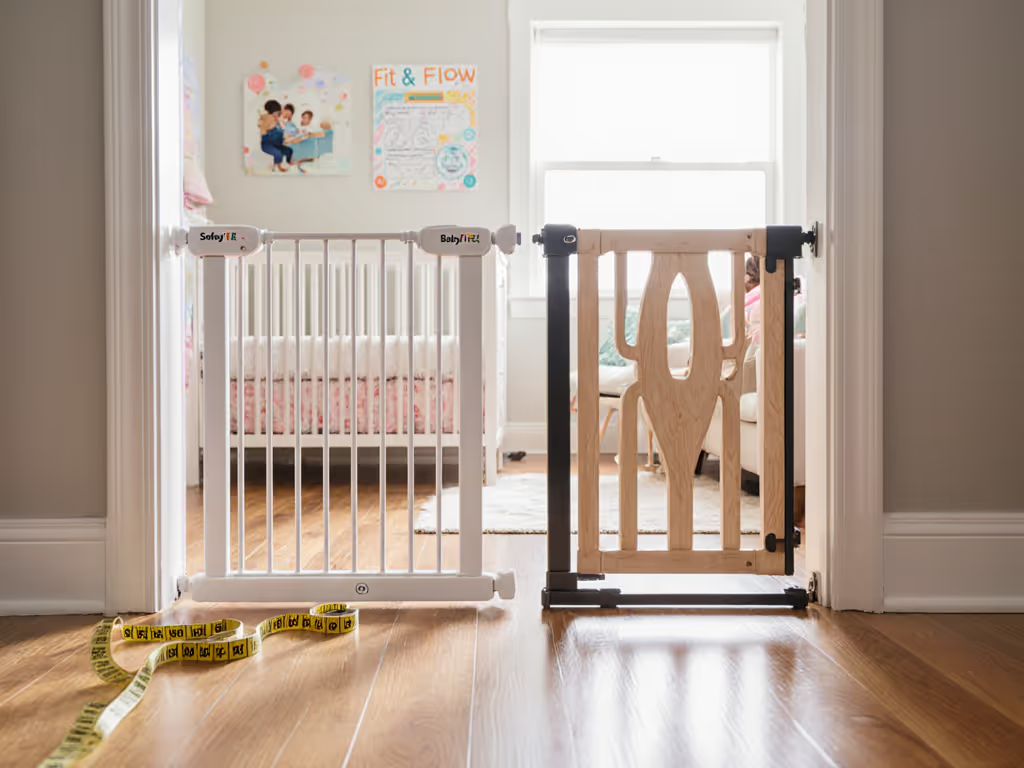
- Bamboo Doorway Gate in bedrooms: Blends with decor, but only use pressure-mounted here. Twins won't rush bedrooms like they charge kitchens. (Yes, even toddlers have priorities.)
Your Renter's Removal Checklist: Keep Every Penny of That Deposit
Ask once, remove clean. That's my mantra. When my twins outgrew gates, I followed this removal protocol:
- Photograph installed positions (for re-patching reference)
- Loosen tension screws SLOWLY (sudden release can crack wall surfaces)
- Patch pressure points with toothpaste-thin spackle (for plaster) or dent repair putty (drywall)
- Touch up paint using leftover samples from landlord
- Return banisters to original state with wood filler for clamp scars
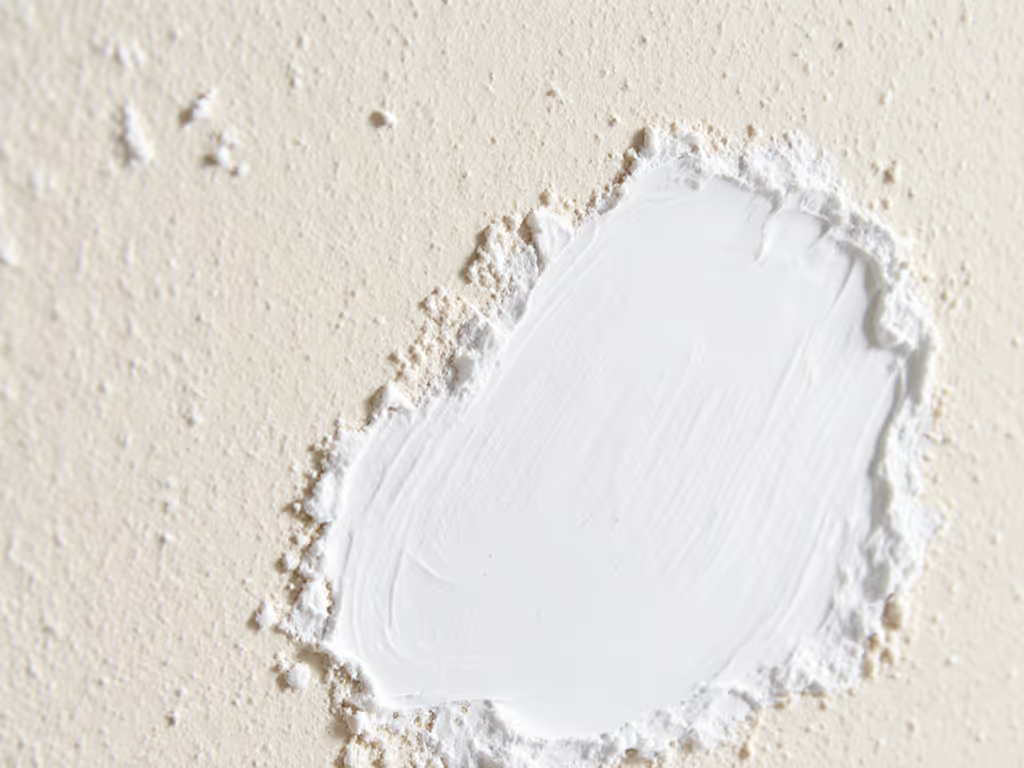
In 8 months with twin toddlers, I patched two pinprick holes. The landlord not only returned my full deposit (he asked for my gate links). That's the power of lease-conscious safety.
Why This Works: Data Meets Desperation
Consumer Reports confirms pressure-mounted gates fail at 30+ lbs of force, but twins apply 50+ lbs combined. That's why Zone 2 needs redundant solutions: A Superyard plus a pressure gate creates dual resistance points. And Safety 1st's data? Their Pressure-Check Gate maintains 75 lbs of pressure only when tension knobs are tightened to the green indicator. Translation: Simultaneous childproofing requires obsessive calibration, not just buying more gates. Keep performance high over time with our loose gate safety checks.
Action Plan: Build Your System in 3 Steps (Today)
- Map your danger zones with painter's tape before ordering anything. Measure wall-to-banister depths at 6" intervals (plaster walls often bow).
- Prioritize hardware mounts ONLY at top-of-stairs. For all other zones, test pressure gate stability by having two adults lean on it simultaneously.
- Pre-order spackle + paint samples now. Patching is 50% of renter success.
Your move: Grab a tape measure and spend 10 minutes mapping one high-risk zone. Find the exact pressure points where wall meets banister. Then pick a gate built for your architecture (not just "twins"). Because when two toddlers make a break for it at 3 a.m., guessing isn't an option. Safe today, calm routines tomorrow, and yes, a full deposit intact.
Related Articles